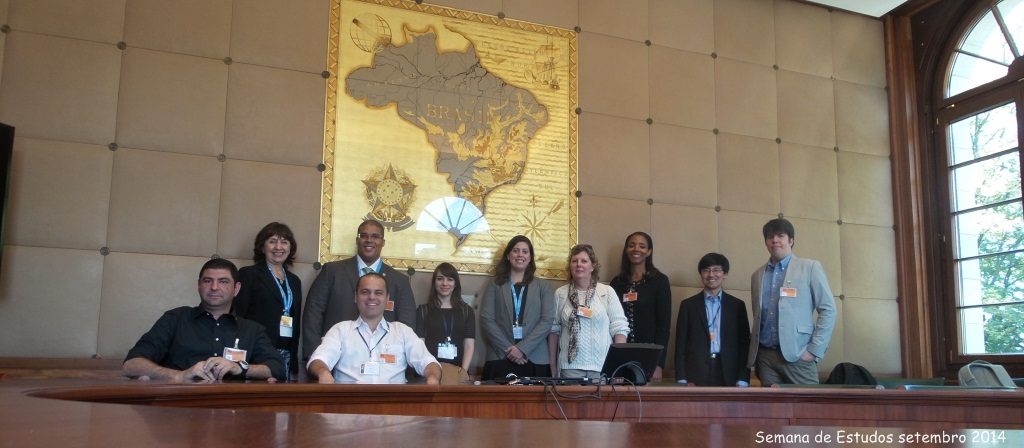
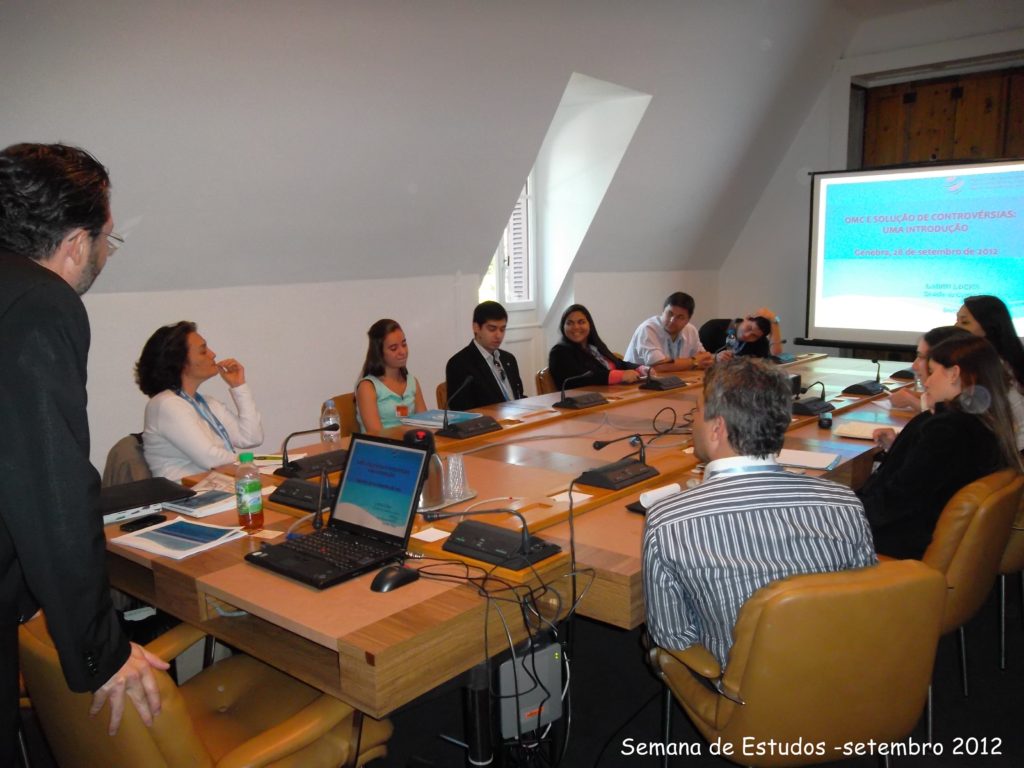
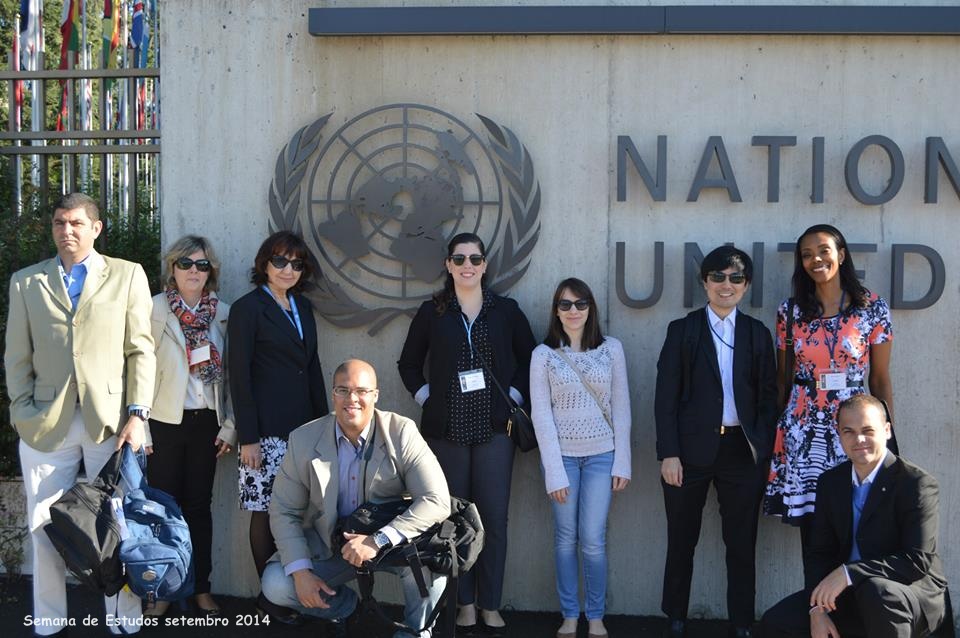
Located at the Palais des Nations, the United Nations Office at Geneva (UNOG) serves as the office of the UN Secretary-General’s representative in Geneva. As a focal point for multilateral diplomacy, UNOG manages over 8,000 meetings per year, making it one of the most active conference centers in the world. With more than 1,600 staff members, it is the second-largest UN headquarters after New York.
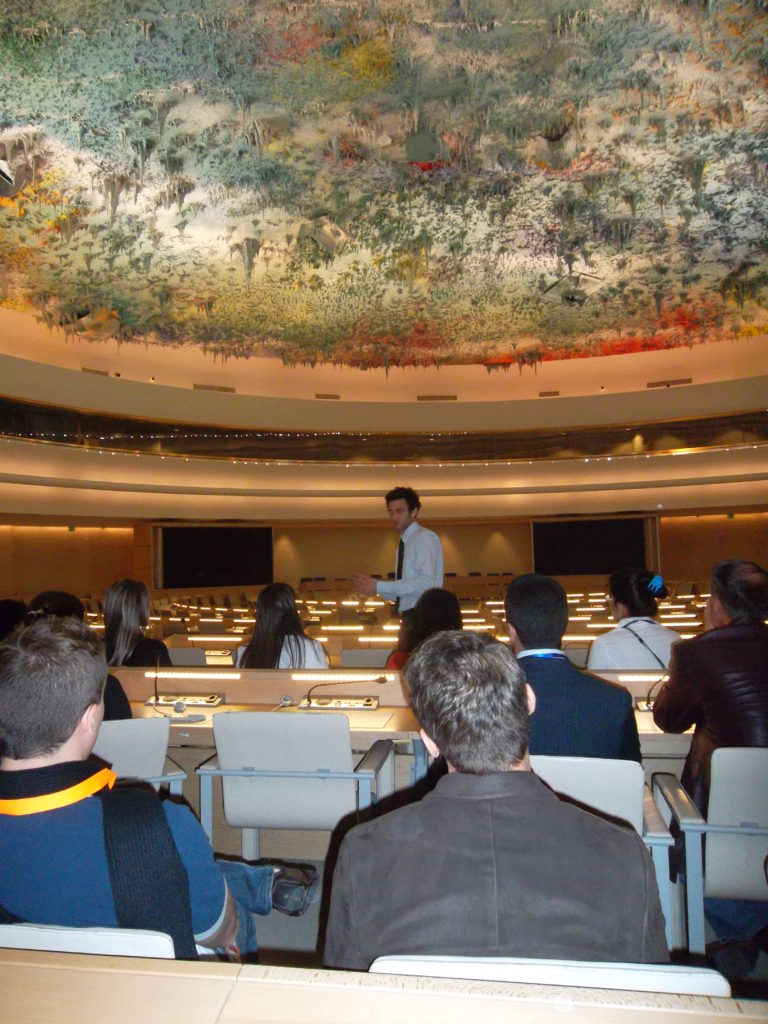
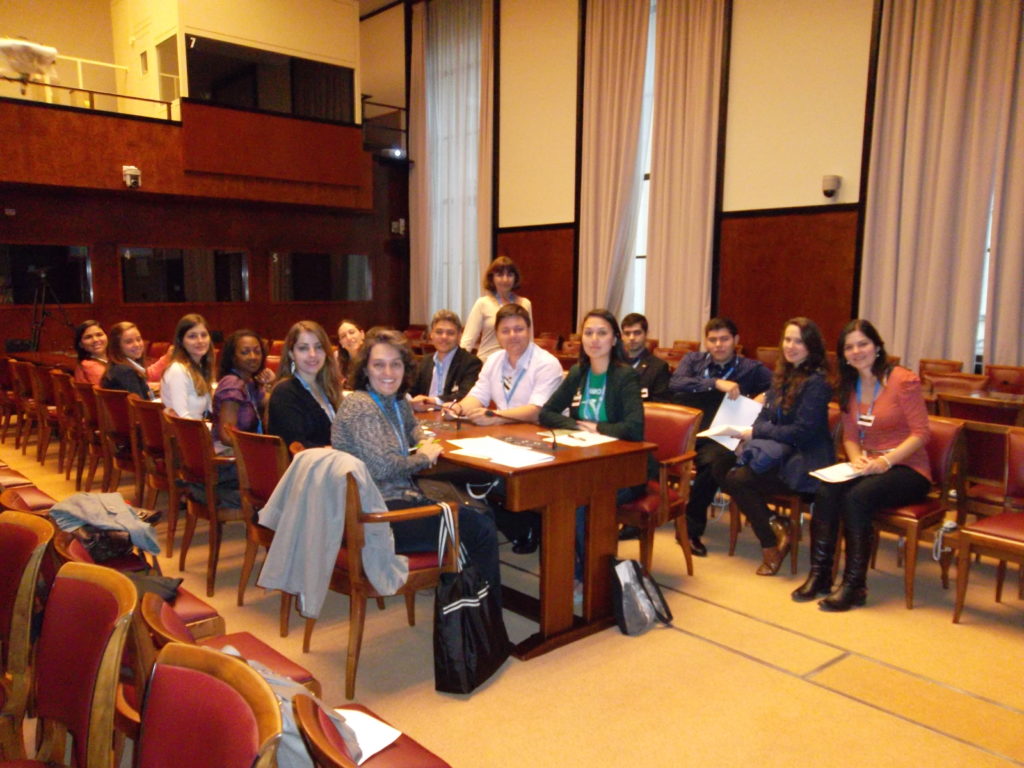
The itinerary includes visits to:The Human Rights Council chamber, featuring the stunning roof painting by Spanish artist Miguel Barceló; The League of Nations Museum ;Other important conference and meeting rooms within this UN headquarters
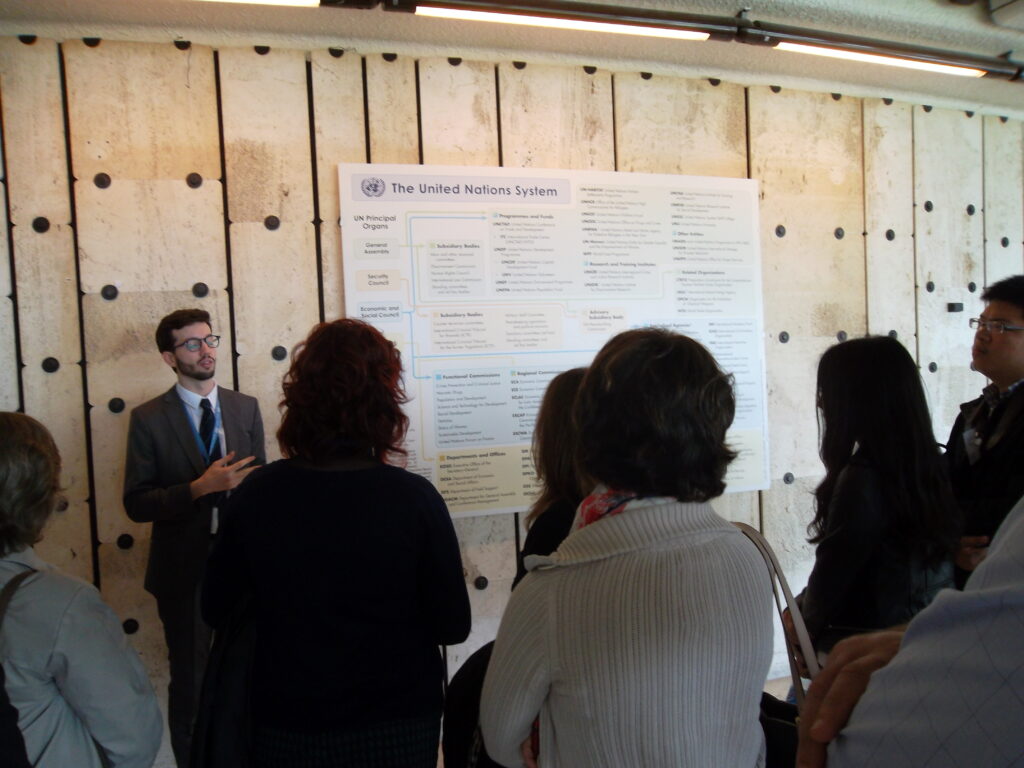

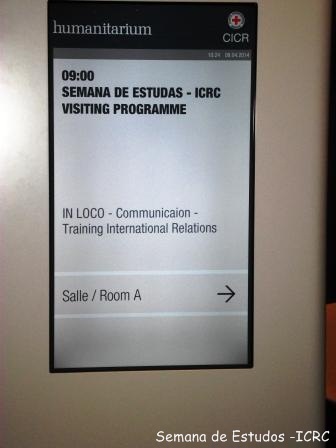
International Committee of the Red Cross (ICRC)
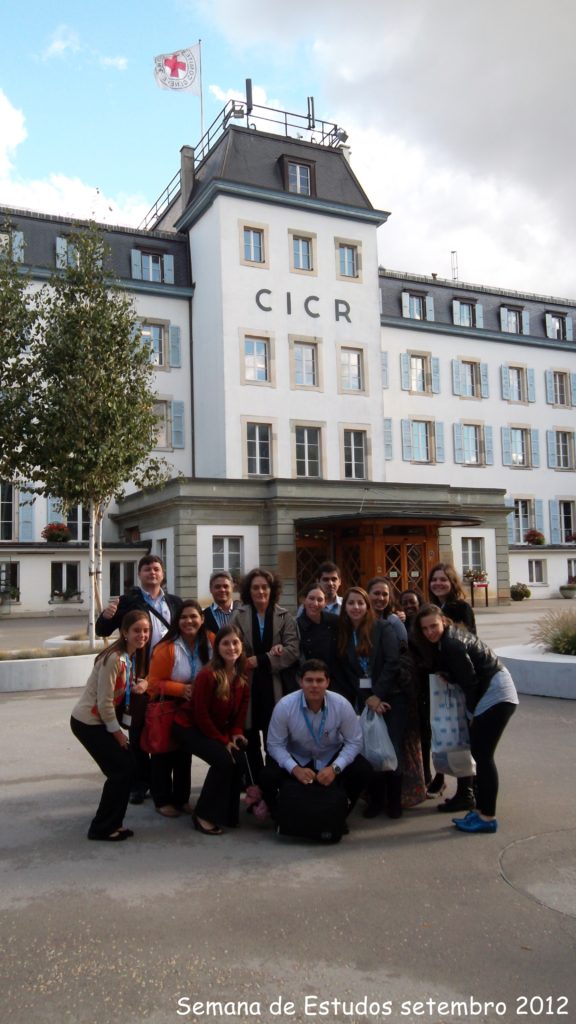
The ICRC is an independent and neutral humanitarian organization. Since its creation in 1863, its sole mission has been to protect and assist victims of armed conflicts and tensions. To achieve this, the ICRC carries out direct actions worldwide , promotes the application of International Humanitarian Law (IHL), encourages respect for IHL by governments and all armed parties
Its history reflects the development of humanitarian action,the Geneva Conventions,and the Red Cross and Red Crescent Movement. Headquartered in Geneva, Switzerland, the ICRC has a mandate from the international community to act as guardian of International Humanitarian Law.
The ICRC features an interactive museum that showcases its history and humanitarian work around the world since 1863.

International Telecommunication Union (ITU)
The ITU is a United Nations specialized agency that deals with issues related to information and communication technologies (ICTs).
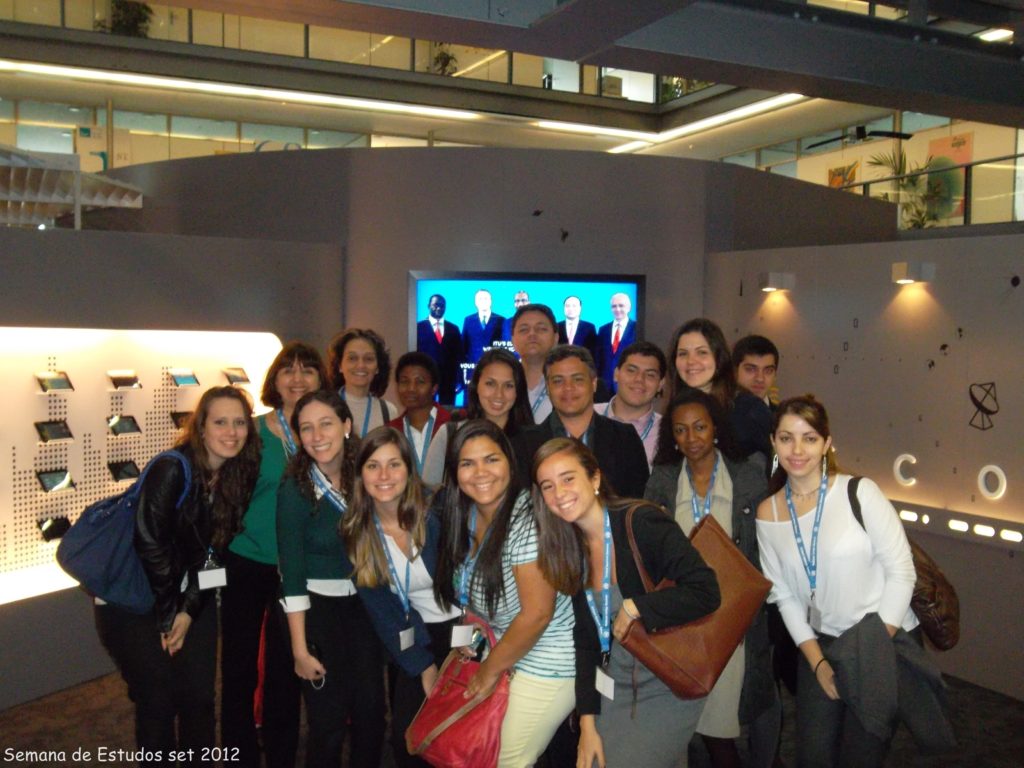
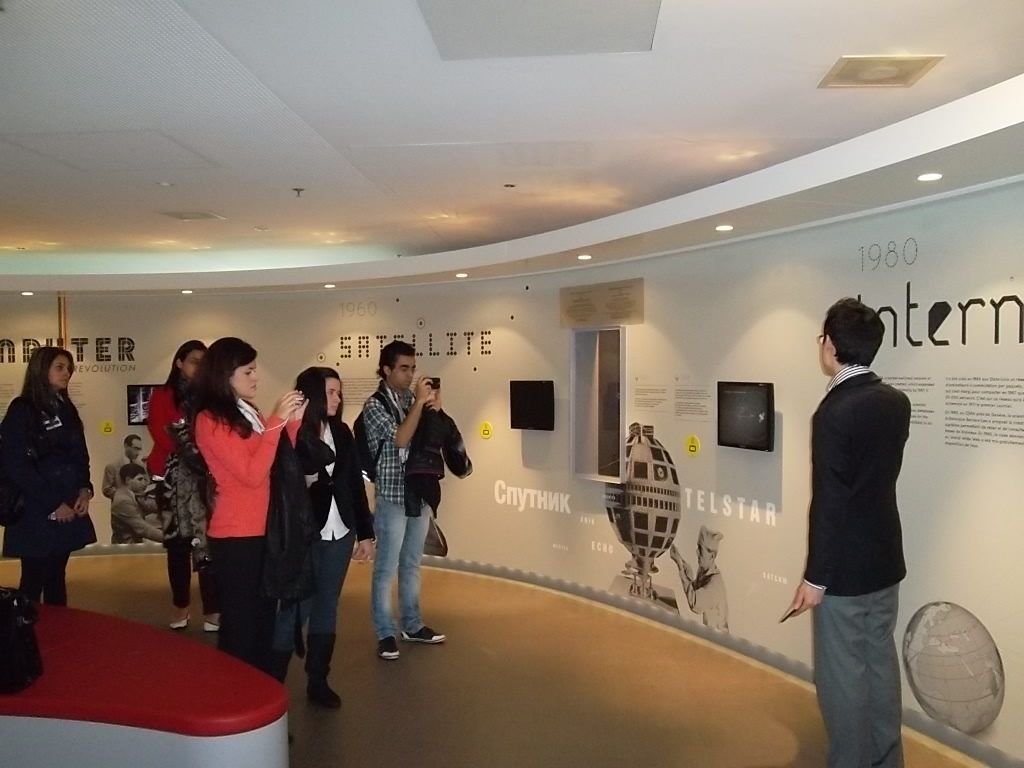
Its mission is to “connect the world.” During the visit, participants attend an exclusive lecture on ITU activities, and explore ICT Discovery, an interactive space to learn about technology in a playful and engaging way
This is an excellent opportunity to discover the history of communications, ask questions, and take some “selfies“


United Nations High Commissioner for Refugees (UNHCR)
The UNHCR office was established in 1950, at the end of World War II, to assist millions of Europeans who had fled or lost their homes due to the war. The agency was initially intended to operate for just three years to complete this mission and then be dissolved. Today, more than 66 years later, the organization continues its vital work of protecting and assisting refugees worldwide.
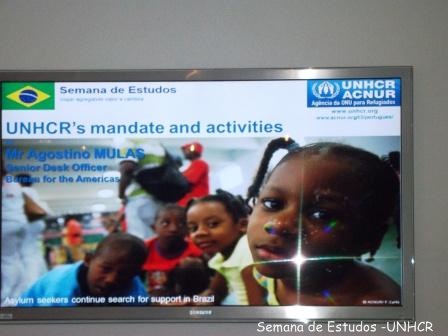
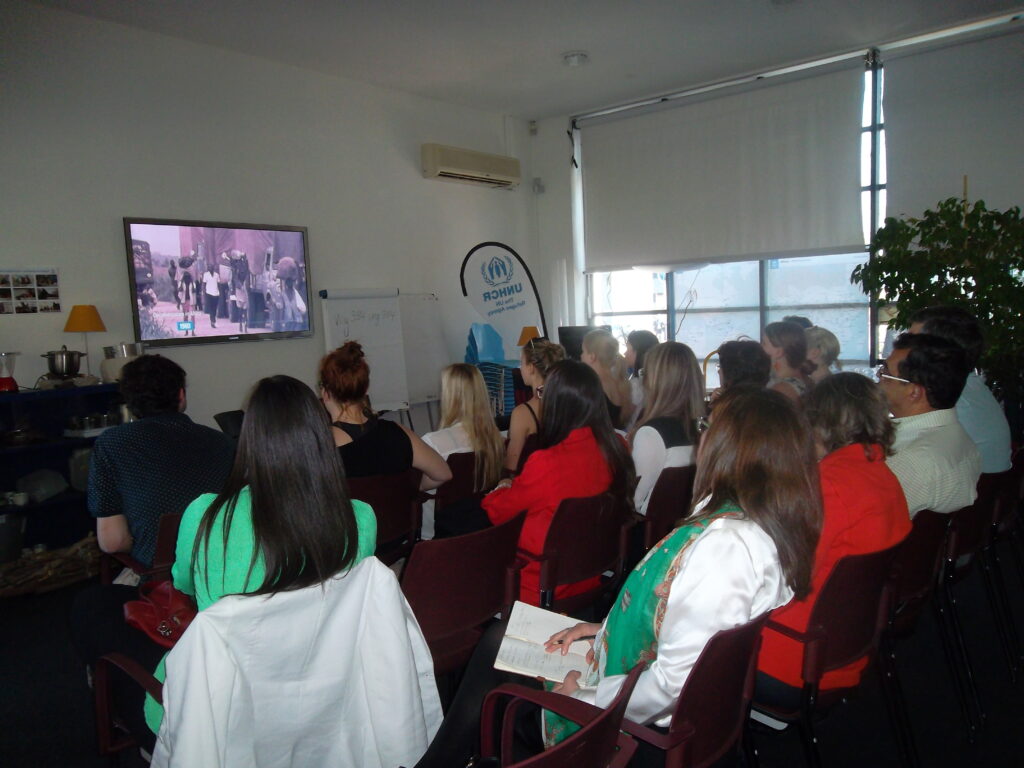
The UNHCR headquarters is located next to the Palais des Nations. Participants attend an exclusive lecture on refugees, highlighting the UN’s global actions and providing a unique opportunity to learn about the invisible work of UNHCR staff around the world


Office of the United Nations High Commissioner for Human Rights (OHCHR)
The OHCHR is located in the famous Palais Wilson on the shores of Lake Geneva.
The Office of the United Nations High Commissioner for Human Rights (OHCHR) is a UN body dedicated to the promotion and protection of human rights as guaranteed by international law and outlined in the Universal Declaration of Human Rights (1948). It was established by the United Nations General Assembly on December 20, 1993.


World Intellectual Property Organization (WIPO)
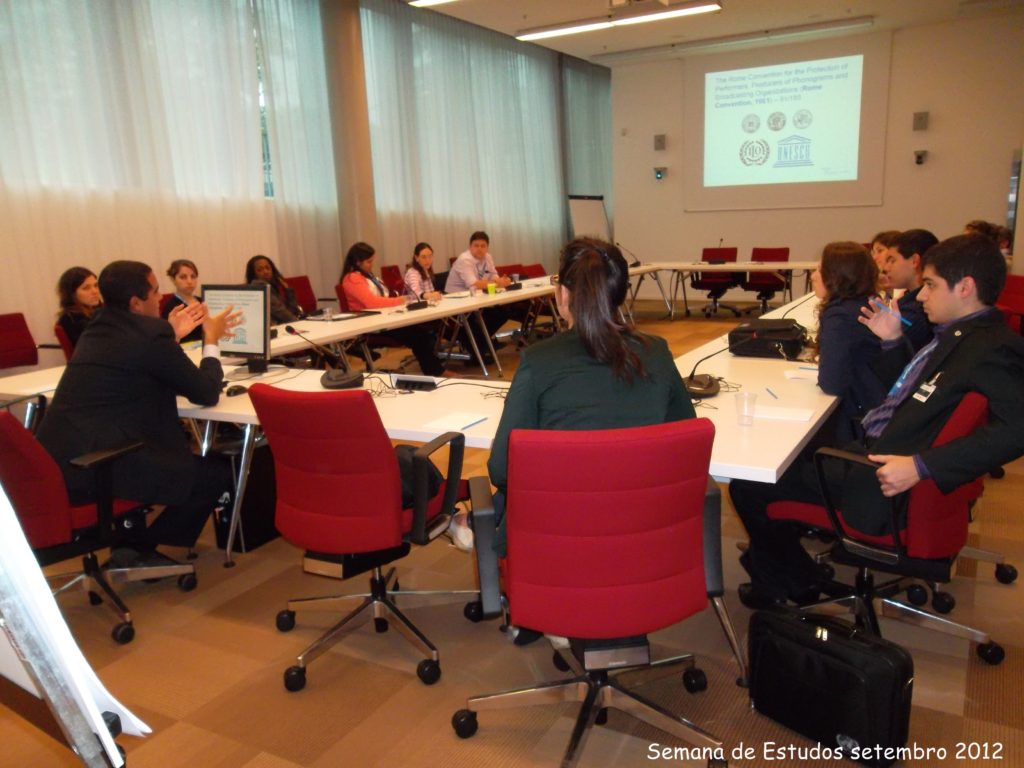
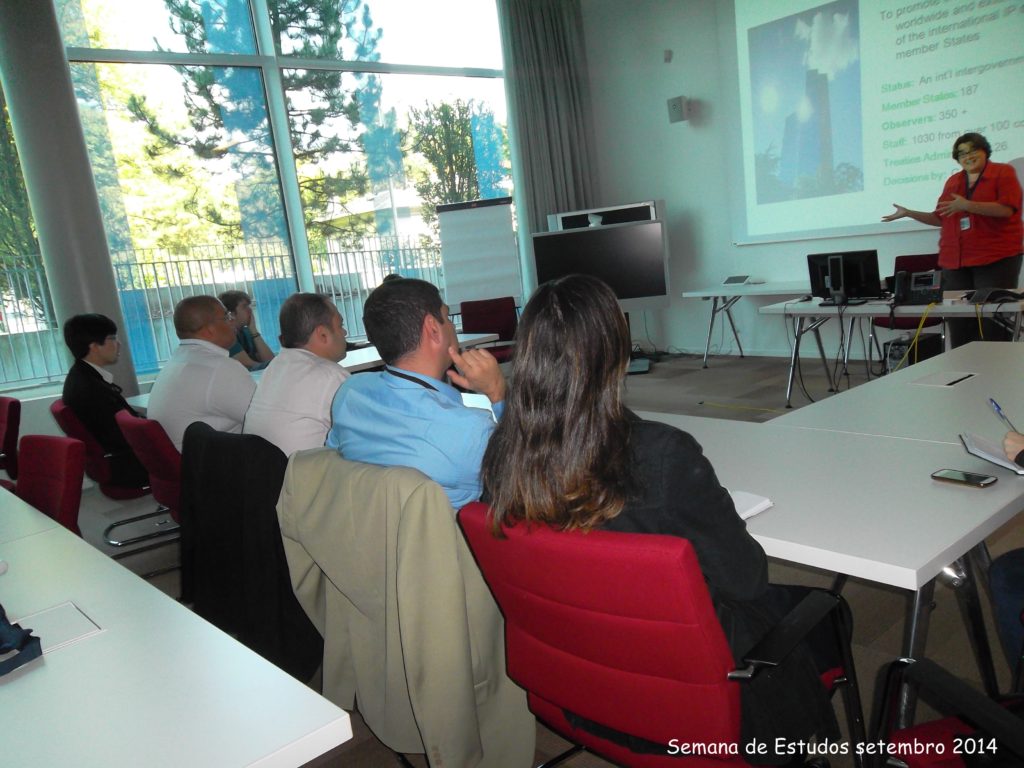
The World Intellectual Property Organization (WIPO) is an international entity under public international law headquartered in Geneva, Switzerland and is part of the United Nations system.
Founded in 1967, WIPO is one of the 16 specialized UN agencies. Its mission is to promote the protection of intellectual property worldwide through cooperation among member states.

International Environment House (IEH)
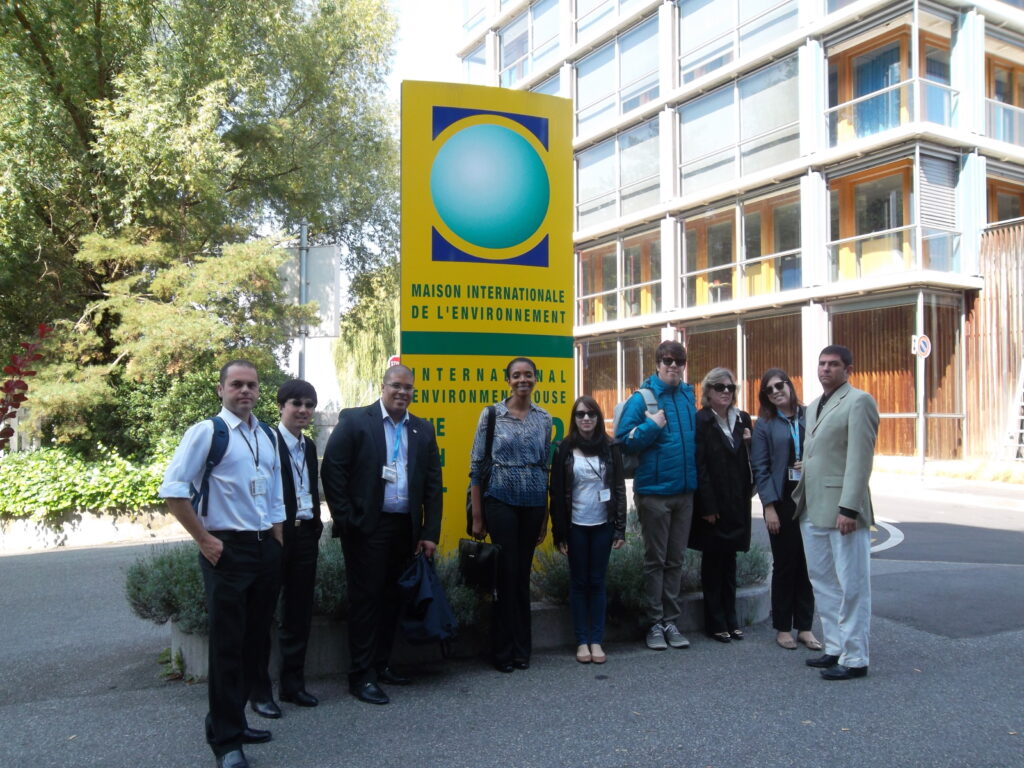
The International Environment House (IEH) is part of the United Nations system and is located in a residential area of Geneva. It houses the headquarters of several environmental NGOs.
Participants have exclusive lectures on topics such as: United Nations Development Programme (UNDP). United Nations Environment Programme (UNEP), and related themes, including Green Economy, Sustainable Development, and Climate Change Conferences This provides a unique opportunity to learn about global environmental initiatives and policies directly from experts.


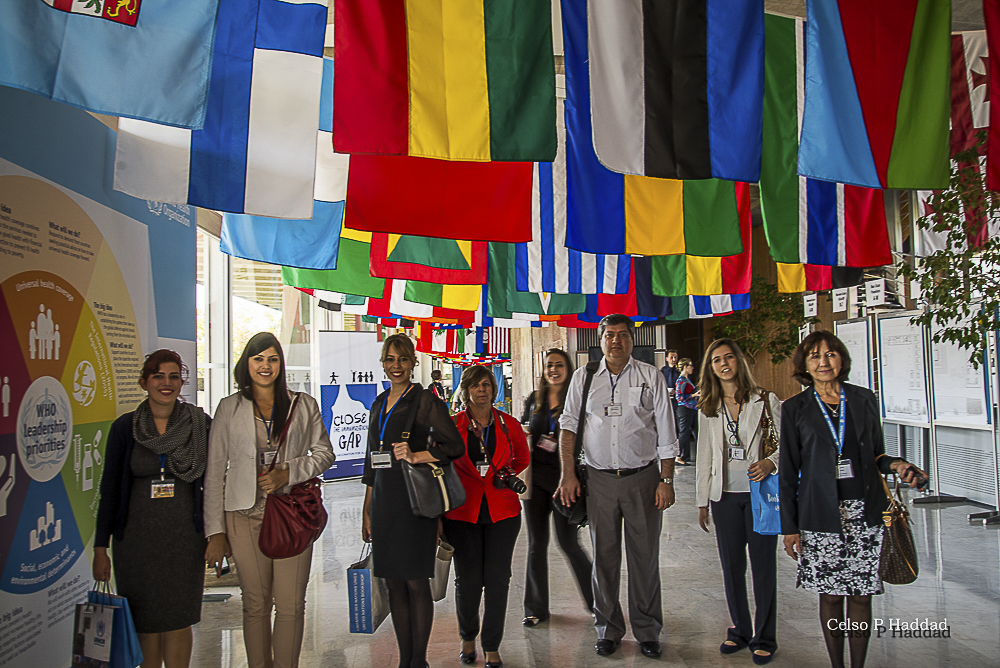
World Health Organization (WHO)
The World Health Organization (WHO) was established when its Constitution came into force on April 7, 1948, a date now celebrated annually as World Health Day.
WHO has over 7,000 staff working across 150 countries, with six regional offices and its headquarters in Geneva. Its primary role is to lead and coordinate international health efforts, working closely with governments and other partners to ensure the highest possible level of health for people worldwide.
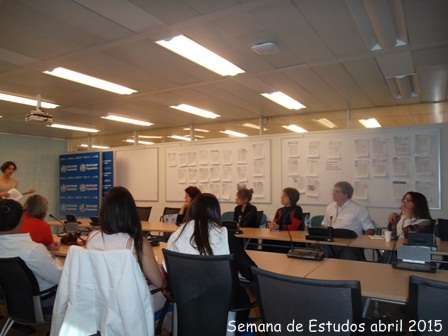
Exclusive lectures at the WHO cover topics such as: WHO activities and program; international health regulations; health system financing; global health, environment and health-related issues. This offers participants a unique insight into global public health initiatives and policies.


World Trade Organization (WTO)
The World Trade Organization (WTO) is the only global organization that deals with the rules of trade between nations. It oversees the WTO agreements, which are negotiated and signed by the majority of trading nations and then ratified in their respective countries.
The WTO’s mission is to help producers of goods and services, exporters, and importers conduct their business efficiently. Its primary role is to ensure that trade flows as smoothly, predictably, and freely as possible among nations.